
Specialist reveals secret recipe Outshine Monjauro and Ozempic
Last update: September 17, 2026
California fires: Here’s How They Affect You
With dry and windy conditions anticipated, a critical fire risk has been issued.
5 min read
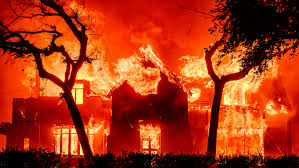
As California battles some of the most devastating wildfires in its history, the impacts are reaching far beyond the state’s borders. What might seem like a distant disaster is, in fact, influencing the lives, health, and climate of people thousands of miles away. Here’s how the ripple effects of these fires could impact you, no matter where you live.
1. The Air You Breathe
Massive wildfires release enormous amounts of smoke and pollutants into the atmosphere, creating what scientists call “smoke plumes” that can travel thousands of miles. In 2020, for instance, smoke from California fires reached as far as Europe, altering air quality across North America. If you live downwind from these fires, you might already be feeling the effects through haze-filled skies or respiratory issues.
“Even if you’re not close to the fires, fine particulate matter (PM2.5) from wildfire smoke can travel great distances and pose serious health risks,” says Dr. Laura Gomez, an atmospheric scientist. Prolonged exposure to PM2.5 has been linked to respiratory illnesses, heart disease, and worsened conditions like asthma.

2. Rising Insurance Costs
The financial toll of wildfires is staggering. With damage estimates from the current fires exceeding $50 billion, insurance companies are under increasing pressure. As they recalculate risks, policyholders across the country could see higher premiums, even in states far from California. “When catastrophic events like this occur, the costs ripple through the national insurance market,” says Jonathan Miller, an insurance analyst.
3. Climate Disruption
Wildfires don’t just destroy forests—they release carbon dioxide, a major contributor to global warming. Experts estimate that the carbon emissions from California’s fires this year are equivalent to the annual emissions of a small country. This exacerbates climate change, leading to more extreme weather patterns globally, including heatwaves, floods, and storms in areas far from the fire zones.
“Fires like these are part of a feedback loop,” explains Dr. Michelle Harper, a climate scientist. “They’re both caused by climate change and make it worse, which means communities everywhere face greater risks of climate-related disasters.”

4. Food Prices Could Soar
California produces over a third of the vegetables and two-thirds of the fruits and nuts consumed in the U.S. Wildfires disrupt agricultural production, destroying crops, orchards, and vineyards. For consumers, this means higher prices at the grocery store. Almonds, grapes, and avocados are just some of the products likely to see shortages or price hikes in the coming months.
5. A Shared Responsibility
The fires also highlight the urgent need for climate action. Experts agree that addressing the root causes of these increasingly severe wildfires—such as drought, deforestation, and rising global temperatures—requires a coordinated effort from all levels of government and individuals.
“Even if you’re not directly affected today, the consequences of inaction will catch up to everyone,” warns Harper.
As the smoke clears in California, the broader implications of these fires become impossible to ignore. From health risks to financial strain and climate instability, the effects extend far beyond the West Coast. The question isn’t whether these fires will affect you—it’s how much, and for how long.

TOP #1 Weight Loss Recipe of 2024: Create Today and Lose 7 Pounds This Week
Using Only What You Already Have at Home!